Science4 min readNov 7, 2026
What Military Working Dogs Teach Us About Hearing Protection
Military working dogs teach us that dogs' ears are worth protecting, and that protection has to fit the dog to work. US Army-supported research developed hearing protection for military working dogs, and when it was tested during helicopter operations, researchers found a significant reduction in short-term hearing loss (EurekAlert; U.S. Army). Pet dogs don't ride in helicopters, but the same principles apply on a smaller scale at home.
To be clear: that research tested hearing protection made for military working dogs, not PAWSHHH.
Why would a military dog need hearing protection?
Military working dogs do jobs that put them close to some of the loudest environments there are. They fly in helicopters, ride in vehicles, and work near gunfire and heavy equipment. Their handlers wear hearing protection as a matter of routine. For a long time, the dogs beside them had none.
That matters because a working dog's hearing is part of their job. A dog that detects, tracks or alerts relies on their ears. If repeated noise exposure dulls a dog's hearing, even temporarily, it affects both the dog's welfare and their ability to work.
What did the research find?
Researchers supported by the US Army developed hearing protection designed specifically for military working dogs. When dogs wore it during helicopter operations, the testing found a significant reduction in short-term hearing loss compared with going unprotected. In other words, protecting the ears made a measurable difference in a real, very loud setting, not just in a lab.
The research also reflects something every dog owner learns quickly: you can't just put human ear protection on a dog. The design has to suit a dog's head, ears and behavior.
Why is hearing protection hard to design for dogs?
People have similar head shapes and can tell you if something is uncomfortable. Dogs vary enormously and can't. A good design for dogs has to deal with:
- Different ear shapes: upright, folded and long floppy ears all sit differently under a cup.
- Fur: coat can lift a cushion away from the skin and let sound in.
- Movement: dogs shake, scratch, rub and turn their heads quickly, so the protection has to stay put.
- Comfort and breathing: nothing can press on the throat or restrict panting.
- Acceptance: if the dog hates wearing it, it won't stay on.
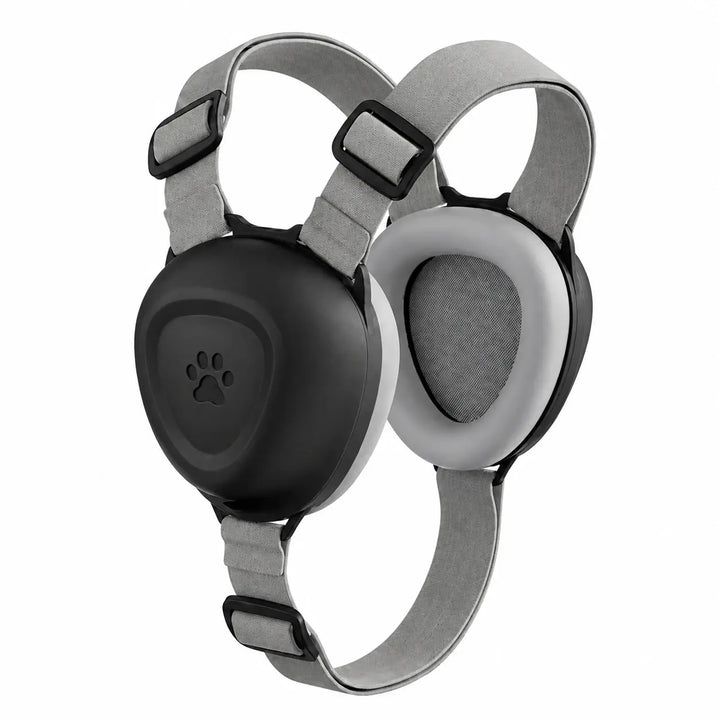
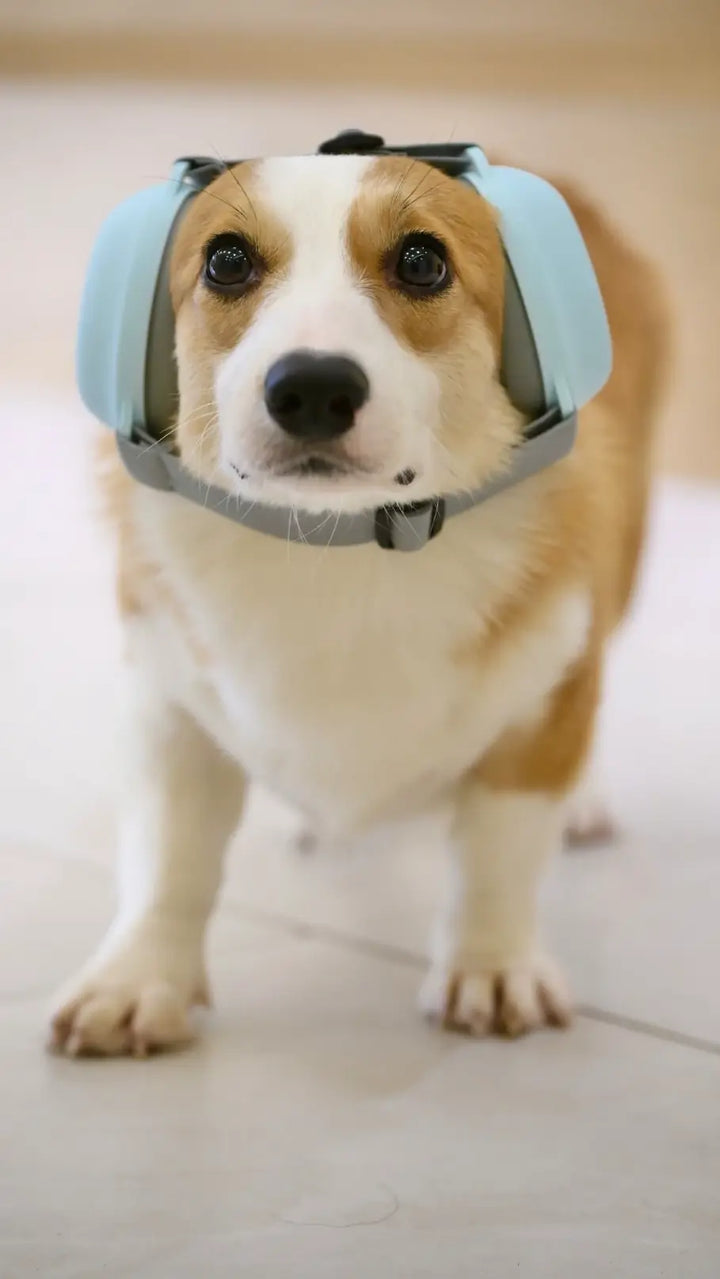
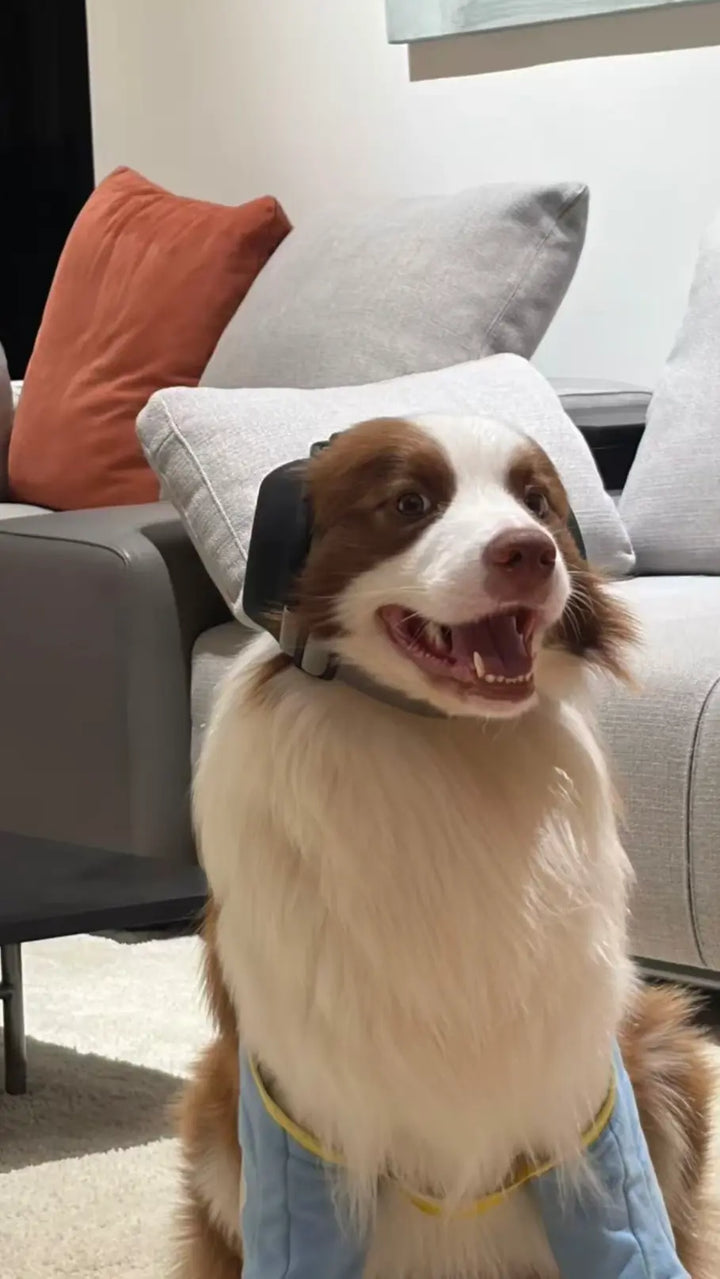
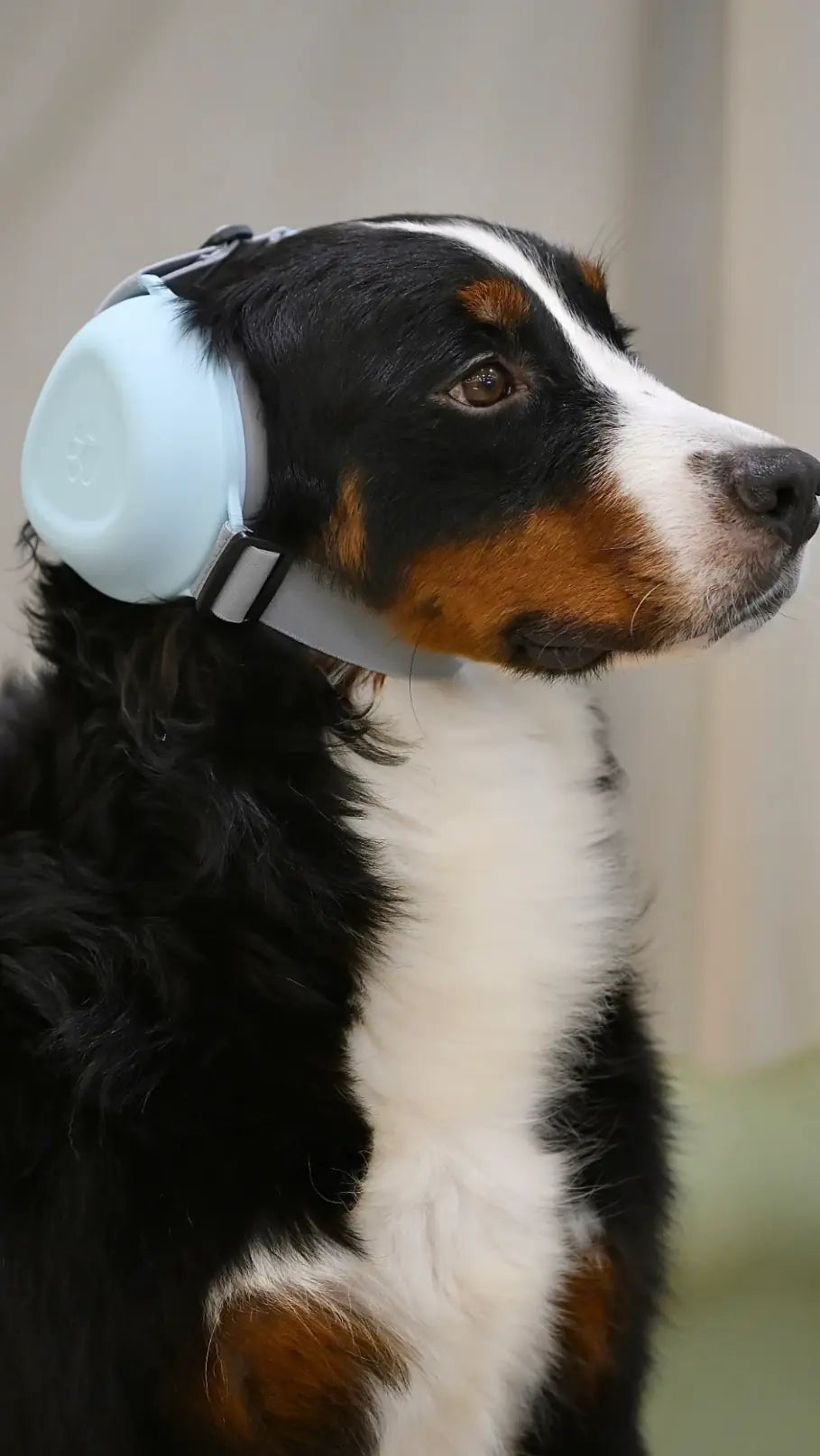
Those same challenges shape consumer products for pet dogs. It is why we built PAWSHHH around two sizes and a 3-point fit (crown, cup-height and chin straps) designed to help keep the cups in place.

What can pet owners learn from working dogs?
1. Protection is normal, not strange. If dogs doing some of the toughest jobs in the world wear hearing protection around loud noise, it is reasonable to consider it for a pet dog facing fireworks or a thunderstorm.
2. Training comes first. Working dogs are trained to accept their equipment in calm conditions before they ever wear it on the job. Pet dogs need the same patient, step-by-step introduction. Our training guide shows how.
3. Fit decides how well it works. A protector that sits crooked or leaves gaps lets sound through. Measuring, adjusting and checking the fit every time is part of using hearing protection well. Start with the size guide.
4. Protection is one part of care. Handlers manage noise exposure in many ways, not just with gear. At home that means keeping dogs away from where fireworks are set off, creating a quiet space and planning ahead. The AKC also notes that well-fitted muffs work best combined with behavior training.
How can I protect my dog's hearing in everyday life?
Most of the protection a pet dog needs comes from simple habits rather than gear:
- Keep your distance from loud events. Watch fireworks, air shows and motorsports without your dog, or from far enough away that the noise is clearly softer. The AKC notes that fireworks at close range may damage a dog's hearing.
- Give your dog an exit. At home, make sure your dog can always move away from a noise, to another room or a quiet corner, rather than being stuck next to it.
- Turn it down. Speakers, TVs and power tools don't need to be as loud as we often run them, especially in the room where your dog rests.
- Plan noisy jobs. For renovations, yard work or loud cleaning, move your dog to the quietest part of the house, or out for a walk with someone else.
- Watch for changes. If your dog stops responding to sounds they used to notice, or seems startled more easily, mention it to your vet.
Does this mean pet dogs need ear protection all the time?
No. Everyday life is not a helicopter flight line. Most dogs only need extra help for specific loud events: fireworks, thunderstorms, a noisy renovation next door, a motorsport event or a long trip. Ear protection is something you use for those moments, for limited periods, while you supervise.
It is also not a treatment for anxiety. For many dogs, fear of noise is the bigger problem than the noise itself. Research from the University of Helsinki found noise sensitivity was the most common anxiety trait in pet dogs (Salonen et al., 2020). If your dog's fear is severe, your vet is the right first call.
Where does PAWSHHH fit?
PAWSHHH brings the idea of dog hearing protection home: passive ear muffs with a lab-rated SNR 29 dB*, a 3-point fit and no batteries. It is designed for everyday pet dogs and the loud moments in their lives, used as one layer in a plan that includes a quiet space, training and your vet's advice.
Read more of the research on our Hearing Science page.
Not veterinary advice. Talk to your vet about severe anxiety.
*Manufacturer lab rating. Real-world reduction varies with fit, head shape and coat.