Science4 min readNov 9, 2026
Do Dog Ear Muffs Actually Work? An Honest Look

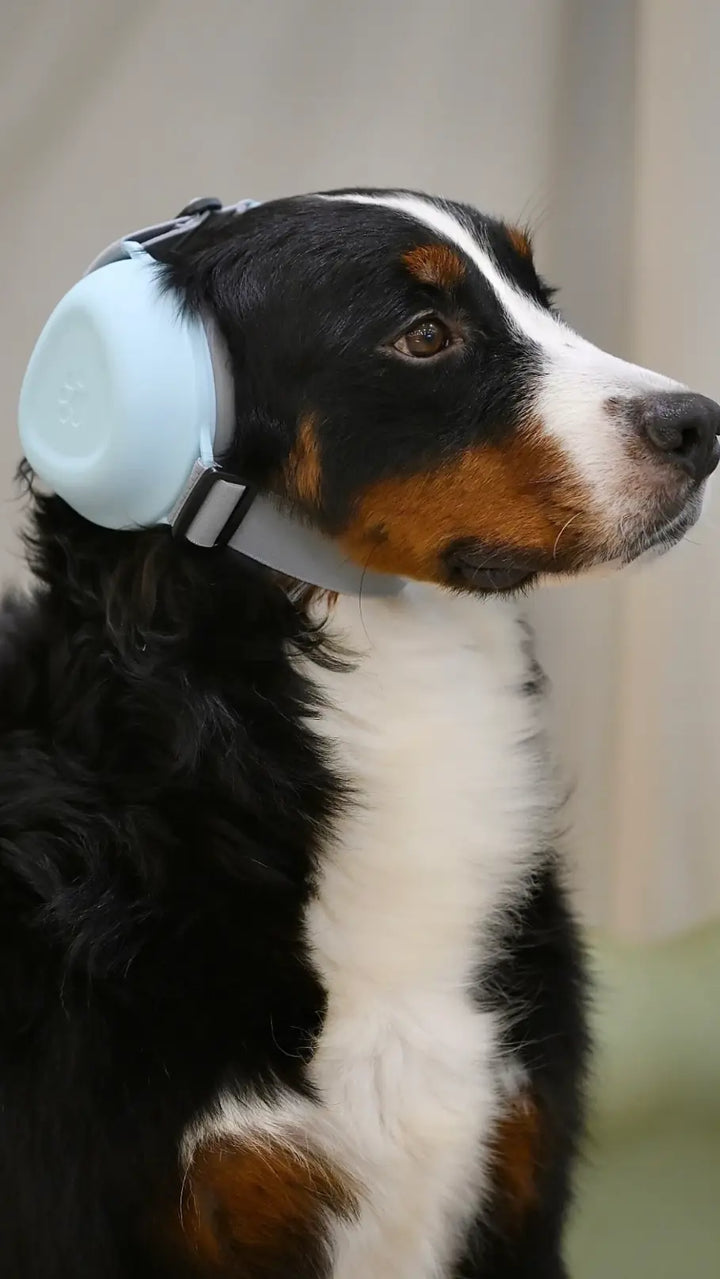
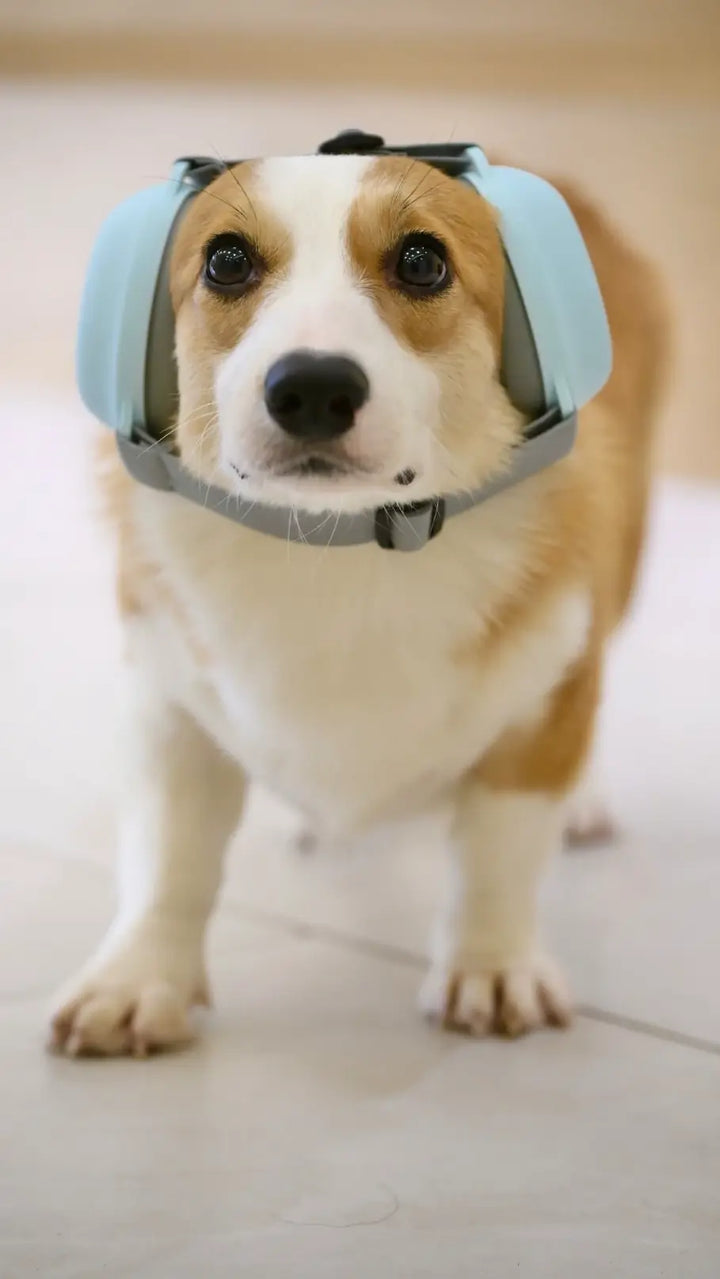
Yes, dog ear muffs can work, but not like magic and not for every dog. Well-fitted, noise-reducing muffs lower the amount of sound reaching a dog's ears, and the American Kennel Club says they can offer some protection, best combined with behavior training (AKC). They make sounds quieter. They don't make the world silent, and they don't fix fear on their own. Here is an honest look at what to expect.
What do dog ear muffs actually do?
Passive ear muffs work the same way as the ones people wear at a shooting range or on a building site. A firm outer cup and a soft seal around the ear make it harder for sound to reach the ear canal. There are no electronics and no batteries. The muff simply reduces the energy of the sound that gets through.
That is different from a calming wrap or vest, which applies gentle pressure to the body. A wrap may help some dogs feel more secure, but it isn't designed to reduce sound. Ear muffs and wraps do different jobs, and some owners use both.
What does an SNR rating mean?
SNR stands for Single Number Rating. It is a lab measure of how much a hearing protector reduces noise across a standard range of sounds, tested on a fixture under controlled conditions. It gives you a fair way to compare one protector with another.
PAWSHHH has a manufacturer lab rating of SNR 29 dB*. It is important to read that figure correctly. It is not a promise that your dog will hear 29 dB less in your living room. Real-world reduction depends on fit, head shape and coat. A rating tells you what the protector can do when the seal is right. Your job is to get the seal as good as you can.
Why does fit matter so much?
Sound takes the easiest path. If there is a gap between the cushion and the head, sound leaks through it. Dogs make a good seal harder than people do: ear shapes vary, heads come in every size, and fur, especially thick or long fur, can hold the cushion away from the skin.
That is why sizing and adjustment matter. PAWSHHH comes in two sizes, Regular and Large, and uses a 3-point fit (crown strap, cup-height straps and a chin strap) designed to help keep the cups centred over the ears. Measure your dog with the size guide, then follow the fitting steps. A snug, comfortable fit beats a tight one. You should be able to slide a finger under the chin strap.

Will my dog actually wear them?
Most dogs need to learn to wear them. Very few dogs accept something on their head the first time, and if the first time is in the middle of a thunderstorm, it can go badly. The dogs that do best with ear protection are the ones whose owners practiced in calm moments first: a sniff and a treat, then a brief touch, then a few seconds on, then a few minutes, always ending before the dog gets fed up.
Our training guide lays out that plan step by step. Expect it to take days or a couple of weeks, not minutes.
When are ear muffs not enough?
Ear muffs reduce sound. They do not change how a dog feels about sound overnight. Dogs with severe noise fear may still panic with muffs on, because they can still feel vibration, see flashes and sense the stress around them. That's why we describe ear protection as one layer in a plan, alongside a quiet space, training and your vet's advice.
Even vets who talk about ear protection make the same point. An ER vet writing for Thrive Pet Healthcare lists dog-specific ear protection as an option while cautioning that no single tool works for every dog. A Fear Free certified veterinarian notes that ear muffs can help muffle sounds for some dogs (Fear Free Happy Homes). Those are comments on hearing protection in general, not on any one brand.
If your dog's fear is severe (hurting themselves, trying to escape, panicking for hours) please talk to your vet. There are other forms of help that ear protection can't replace.
How can I tell if they're helping my dog?
Watch your dog, not the clock. Compare a loud event with muffs on to similar events in the past. Signs that things are going better include:
- less panting, pacing and trembling
- settling down sooner after a loud bang
- being able to eat a treat or chew
- staying in their bed or safe space instead of trying to flee
- recovering faster once the noise stops
Also watch for discomfort: constant pawing at the muffs, rubbing the head on the floor, or getting more upset when they go on. If you see that, take them off, check the size and fit, and go back a few steps in training.
So, do dog ear muffs work?
For many dogs, ear protection is a useful part of the plan. It reduces the sound that reaches the ear, and with training most dogs can learn to wear it comfortably. It is not a cure for anxiety and it doesn't work in isolation. If you go in with realistic expectations, practice early and fit carefully, ear muffs can make loud nights easier for you both.
Want the research behind all this? See our Hearing Science page.
Not veterinary advice. Talk to your vet about severe anxiety.
*Manufacturer lab rating. Real-world reduction varies with fit, head shape and coat.