Training4 min readNov 10, 2026
How to Train Your Dog to Love Wearing Ear Protection
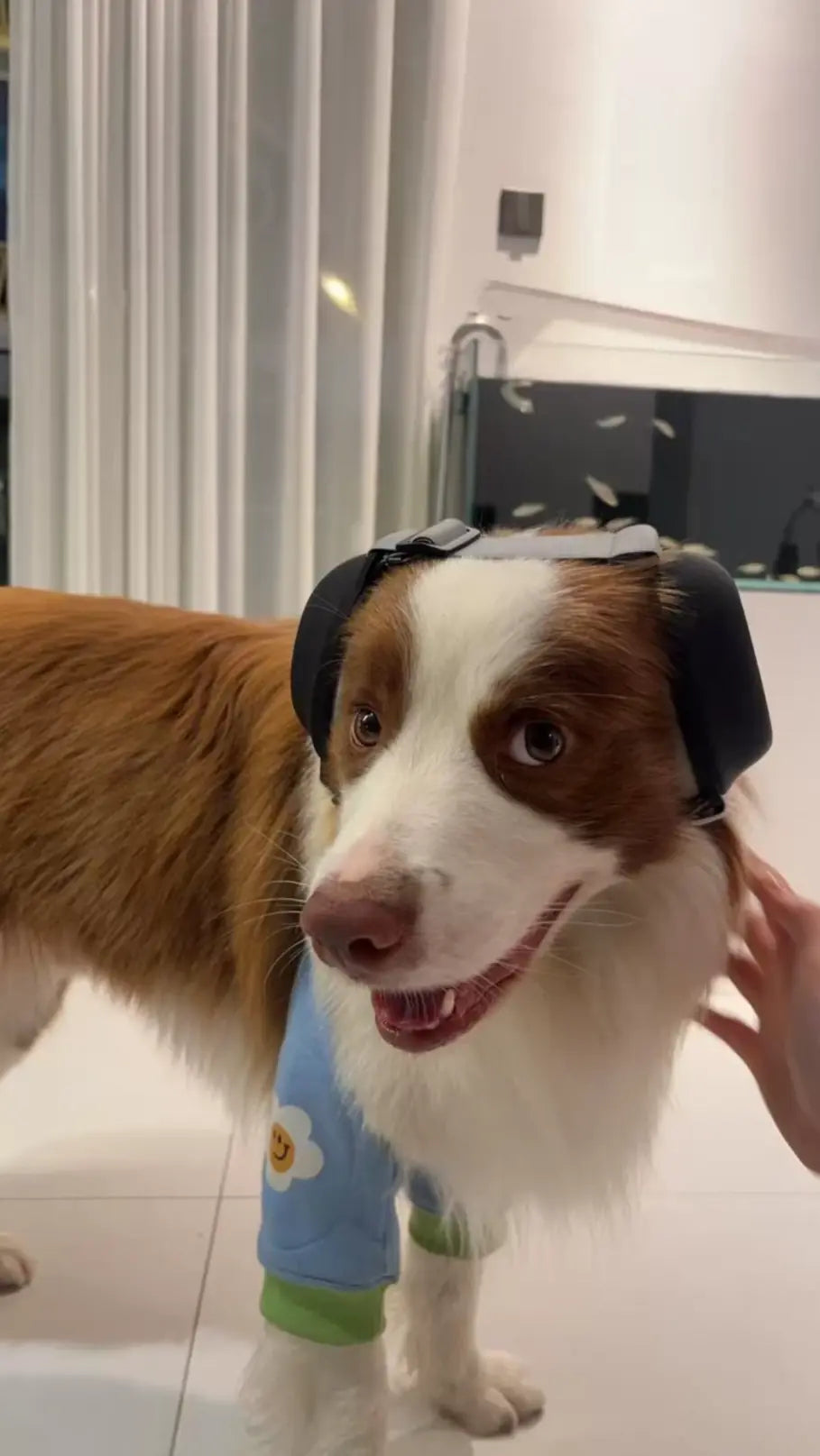
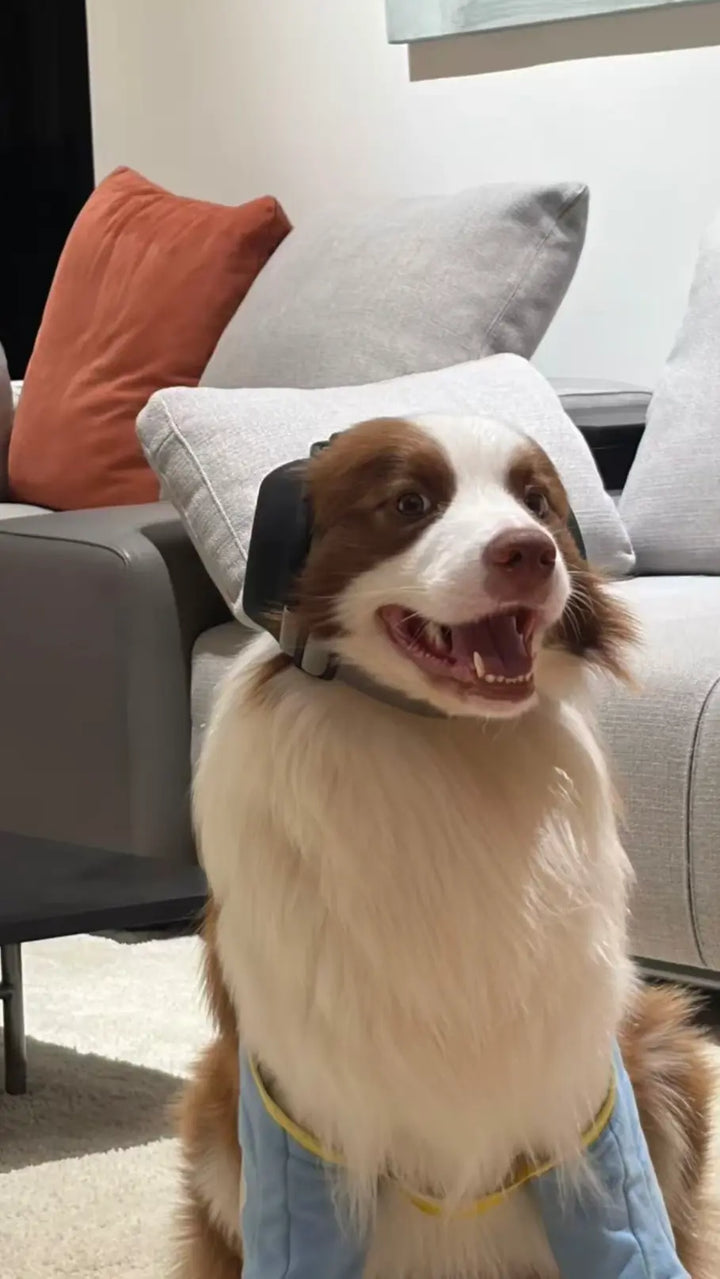
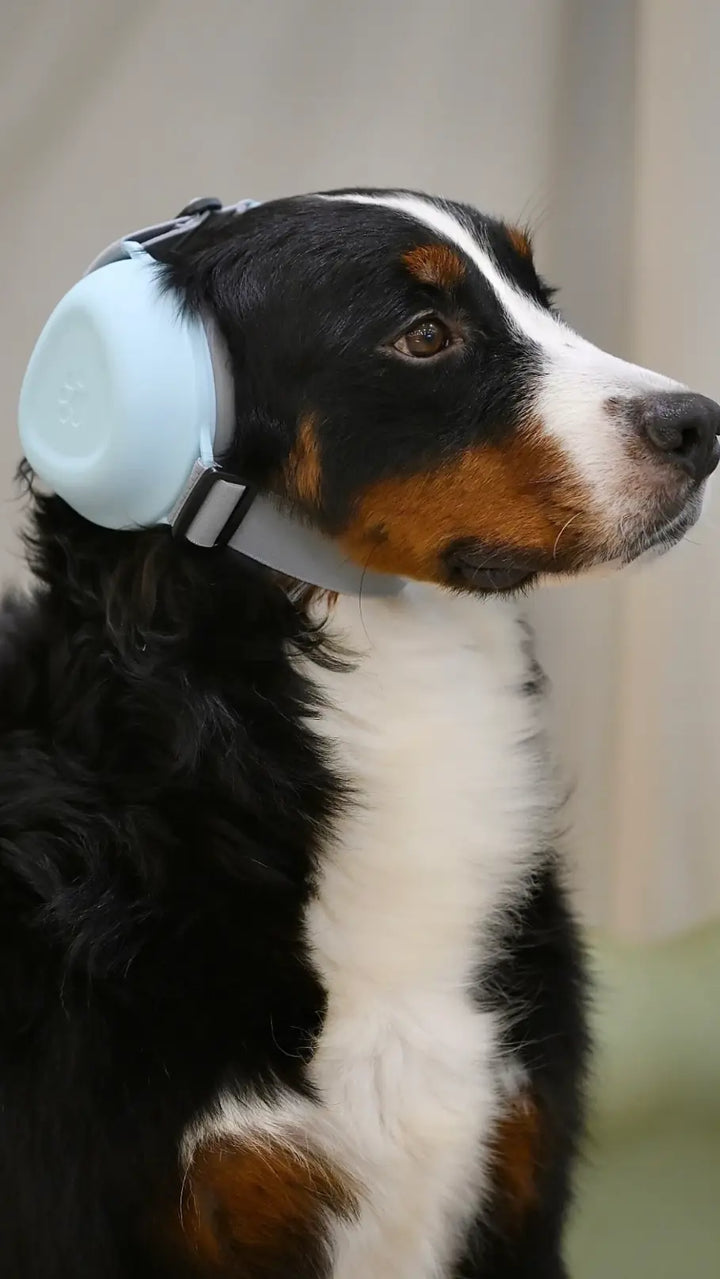
To train your dog to love wearing ear protection, introduce it slowly in calm moments, pair every step with something your dog loves, keep sessions to a few minutes, and only move on when your dog is relaxed. Most dogs need several days to a couple of weeks. The AKC notes that well-fitted ear muffs work best when combined with behavior training, and this is that training. Start well before fireworks or storm season.
What do I need before I start?
- The right size. Measure your dog with the size guide. A muff that is too small pinches; one that is too big slips.
- High-value treats. Tiny, soft pieces of something your dog adores, such as chicken, cheese or their favourite training treat.
- A calm time. After a walk, when your dog is relaxed but not sleepy. Never during a storm or fireworks.
- A quiet room with few distractions.
- Patience. The goal is a dog who is happy to see the muffs come out, not just one who tolerates them.
Step 1: How do I introduce the ear muffs?
Put the muffs on the floor and let your dog sniff them. Each time they look at or sniff the muffs, say "yes" and give a treat. Do this for a minute or two, then put the muffs away. Repeat over a day or two until your dog brightens up when the muffs appear.
Step 2: How do I get my dog used to the feel?
Hold one cup and gently touch it to your dog's shoulder, then treat. Then touch it near the neck, then near an ear, treating each time. Keep touches brief. If your dog moves away, that's fine. Go back to an easier step and finish on a success.
Step 3: How do I place the cups over the ears?
Hold the muffs with both hands and lower the cups over your dog's ears for one second, then lift them off and treat. Gradually build up to three seconds, then five, then ten. Some trainers smear a little spreadable treat on a lick mat so the dog is busy licking while the cups go on. That works well for many dogs.

Step 4: When do I fasten the straps?
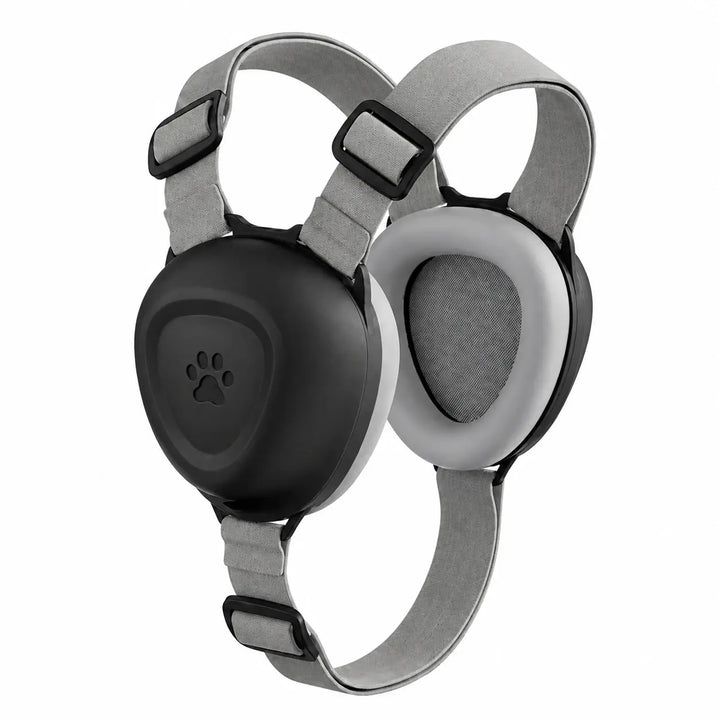
Once your dog is relaxed with the cups held on for ten seconds, start fastening. Follow the fitting steps: place the cups over the ears, fasten the chin strap, adjust the top straps to raise or lower the cups, then snug everything up. At first, fasten the straps loosely, treat, then unfasten and remove. Build up to a correct fit, which should be snug but comfortable. You should be able to slide a finger under the chin strap.
Step 5: How do I build up wearing time?
With the muffs fastened, give treats every few seconds for the first 30 seconds, then take them off. Over several sessions, build to one minute, two minutes, then five. Gradually space out the treats. Then add things your dog enjoys while wearing them: a chew, a puzzle feeder, a cuddle on the sofa, a short game. The aim is for the muffs to mean "good things happen."
Step 6: How do I practice for the real thing?
When your dog wears the muffs happily for 15 to 20 minutes, rehearse your loud-night routine in calm conditions: go to the safe space, turn on background sound, put on the muffs, give a chew, settle in together. Do a few rehearsals before the real event. That way, on the night, everything is familiar.
What if my dog paws at the muffs or freezes?
- Pawing or rubbing: remove the muffs calmly, check the fit, and go back a step. Make the next session shorter and the treats better.
- Freezing or going still: this is a stress sign, not calm acceptance. Take them off and go back to easier steps.
- Head shaking: a quick shake is normal at first. If it continues, check the size and that no fur or ear flap is folded uncomfortably under a cup.
- Refusing treats: your dog is too worried to learn. Stop, and try again later at an easier step.
Never force the muffs on a struggling dog. One bad experience can set training back a long way.
What safety rules should I follow?
- Always supervise your dog while they wear ear protection.
- Don't leave the muffs on when your dog is alone or crated unsupervised.
- Take breaks during long events, and check for rubbing, redness or heat around the ears.
- Make sure nothing presses on the throat and your dog can pant freely.
- Remove the muffs if your dog shows distress, and talk to your vet about severe anxiety.
How long does the whole process take?
Some confident dogs get through all six steps in a few days. More sensitive dogs may need two weeks or more. Both are normal. Two or three short sessions a day work better than one long one. Stop each session while your dog is still enjoying it.
How do I keep the progress going?
Once your dog is comfortable, don't put the muffs away until the next big event. A short, happy session once or twice a week keeps the habit fresh, so they still feel normal months later on July 4th or in the middle of storm season. Keep using treats or a favourite chew at the start of each session, and keep checking the fit, especially if your dog's coat changes with the seasons or a puppy is still growing. If your dog ever has a bad experience while wearing them, go back a few steps and rebuild slowly.
PAWSHHH is passive hearing protection with a lab-rated SNR 29 dB* and a 3-point fit designed to help keep the cups in place. It works best as one layer in a plan with a quiet space, training like this, and your vet's advice. For the bigger picture, read do dog ear muffs actually work?
Not veterinary advice. Talk to your vet about severe anxiety.
*Manufacturer lab rating. Real-world reduction varies with fit, head shape and coat.