Fireworks4 min readNov 11, 2026
Your New Year's Eve Plan for a Noise-Sensitive Dog
The best New Year's Eve plan for a noise-sensitive dog starts weeks early. Build a safe space, practice with any gear before the night, get the walk done in daylight, stay home around midnight, and keep doors and gates secured. Fireworks are hard on many dogs, and research suggests about a quarter of dogs fear them specifically (Salonen et al., 2020). Here is a timeline you can follow.
What should I do three to four weeks before New Year's Eve?
This is the time to set things up while everything is still calm.
- Talk to your vet if your dog has struggled badly in past years. Severe fear deserves professional advice, and some options need time to set up.
- Choose the safe room. Pick an inside room with few windows, ideally one your dog already likes. A crate with the door open, covered with a blanket, can work well for crate-trained dogs.
- Start practicing any gear. If you plan to use ear protection, a calming wrap or a new crate cover, introduce it now with short, happy sessions. Gear a dog has never seen before can add stress on the night itself. Our training guide has a simple plan.
- Check ID. Make sure the collar tag and microchip details are current. More dogs go missing around fireworks than at almost any other time.
What should I do in the last week?
- Find out what's happening locally. Check town events, venues and neighbours' plans so you know roughly when and where the noise will be.
- Keep practicing. Short daily sessions in the safe room, with treats and calm play, help your dog link that space with good things.
- Prepare a kit: a long-lasting chew or lick mat, favourite toys, water, the bed, ear protection if you use it, and a lead by the door.
- Plan your evening. If you can, stay home. If you can't, arrange for a calm person your dog knows to be with them.

How should I plan December 31 itself?
Morning and afternoon: give your dog a good long walk or play session in daylight. A tired dog settles more easily. Keep the rest of the day as normal and relaxed as you can.
Before dark: do the last proper bathroom break early, on lead, even in your own yard. Fireworks often start before midnight, and a scared dog can clear a fence surprisingly fast.
Early evening: feed dinner a little earlier than usual. Some anxious dogs won't eat once the noise starts.
From dusk: close curtains and blinds, shut windows, and turn on steady background sound like a fan, the TV or calm music. Move into the safe room before the noise begins, not in the middle of it.
What do I do when the fireworks start?
- Stay calm and nearby. It is fine to comfort your dog. Speak softly, offer gentle contact if they want it, and let them choose where to settle.
- Don't force anything. If your dog hides under the bed or behind the sofa, let them. Being able to hide is part of feeling safe.
- Offer the chew or lick mat. Licking and chewing can help some dogs settle.
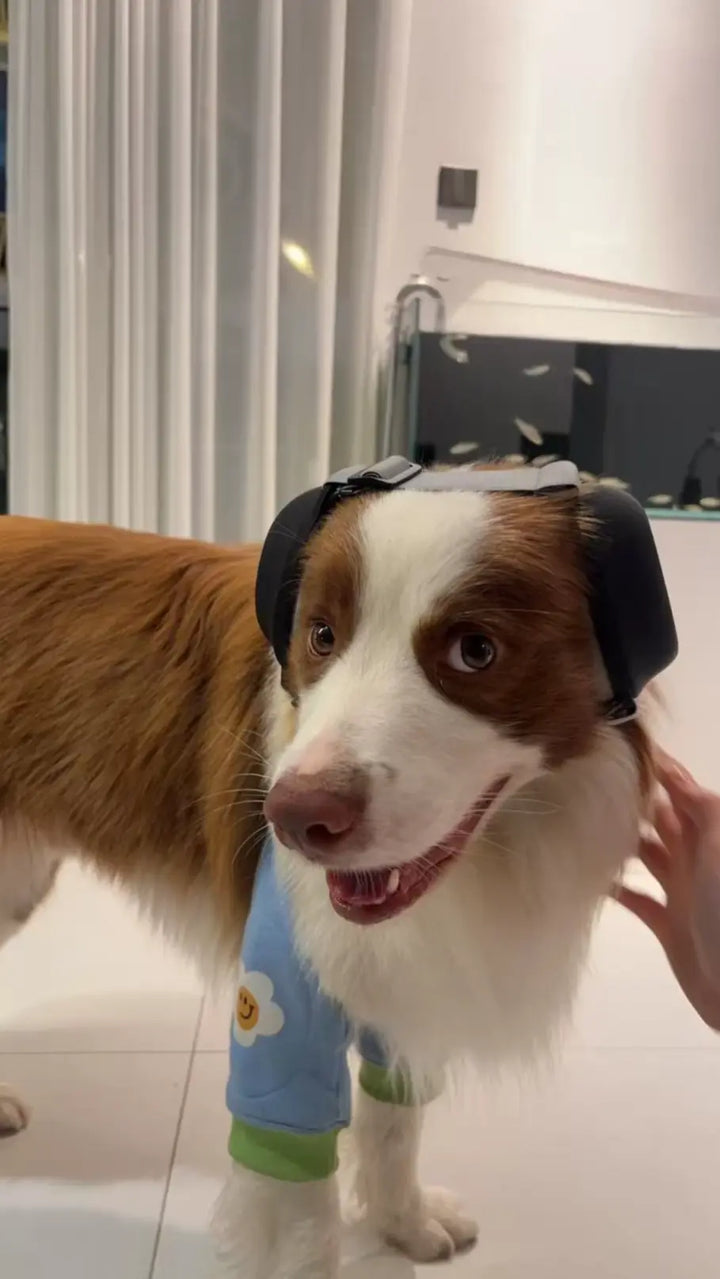
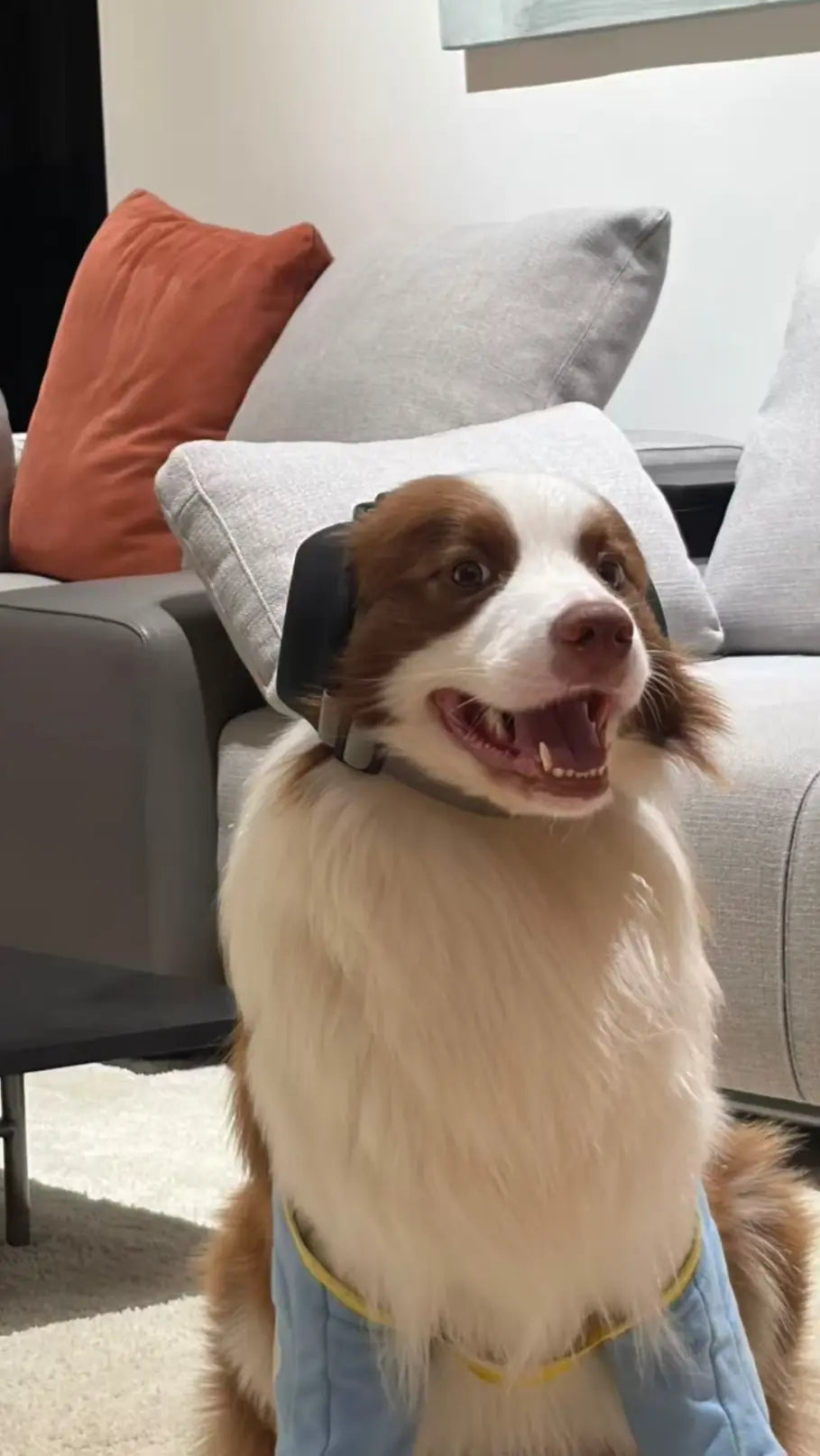
- Use ear protection only if it's already familiar. If your dog has practiced with it and is relaxed wearing it, put it on before the noise peaks. Watch for signs of discomfort, and take it off if your dog is pawing at it or getting more upset.
- Never punish fear. Barking, trembling or an accident on the floor is fear, not bad behavior.
How do I handle midnight?
Midnight is usually the loudest stretch, and it can last a while. Be in the safe room with your dog a good half hour beforehand. Turn the background sound up a little, keep the lights on, and settle in yourself. Your dog takes cues from you, so if you are relaxed, reading or watching TV, that helps.
If you need to go outside to celebrate, keep your dog inside with the doors closed. Doors opening and closing during a fireworks show is when many dogs slip out.
What if I have to go out on New Year's Eve?
Sometimes staying home isn't possible. If you have to go out, the goal is still the same: a calm, familiar person and a safe space. Ask a friend, family member or sitter your dog already knows to stay with them, and walk them through the plan: the safe room, the background sound, the chews, where the lead is, and to keep doors closed. If your dog wears ear protection, show the sitter how to put it on and take it off, and ask them to remove it if your dog seems uncomfortable.
Avoid boarding your dog somewhere new for the first time on New Year's Eve if you can. A strange place on the loudest night of the year can be a lot for a sensitive dog. And never leave a noise-sensitive dog alone in a car or outside during fireworks.
What about the morning after?
Fireworks often carry on into January 1st, so keep your dog on lead for walks, even in places where they are usually off lead. Check the yard for spent fireworks and debris before letting your dog out, as these can be harmful if chewed.
Then make some notes. What helped? What didn't? When was the worst moment? Those notes are gold for next year, and for July 4th.
Where does PAWSHHH fit in the plan?
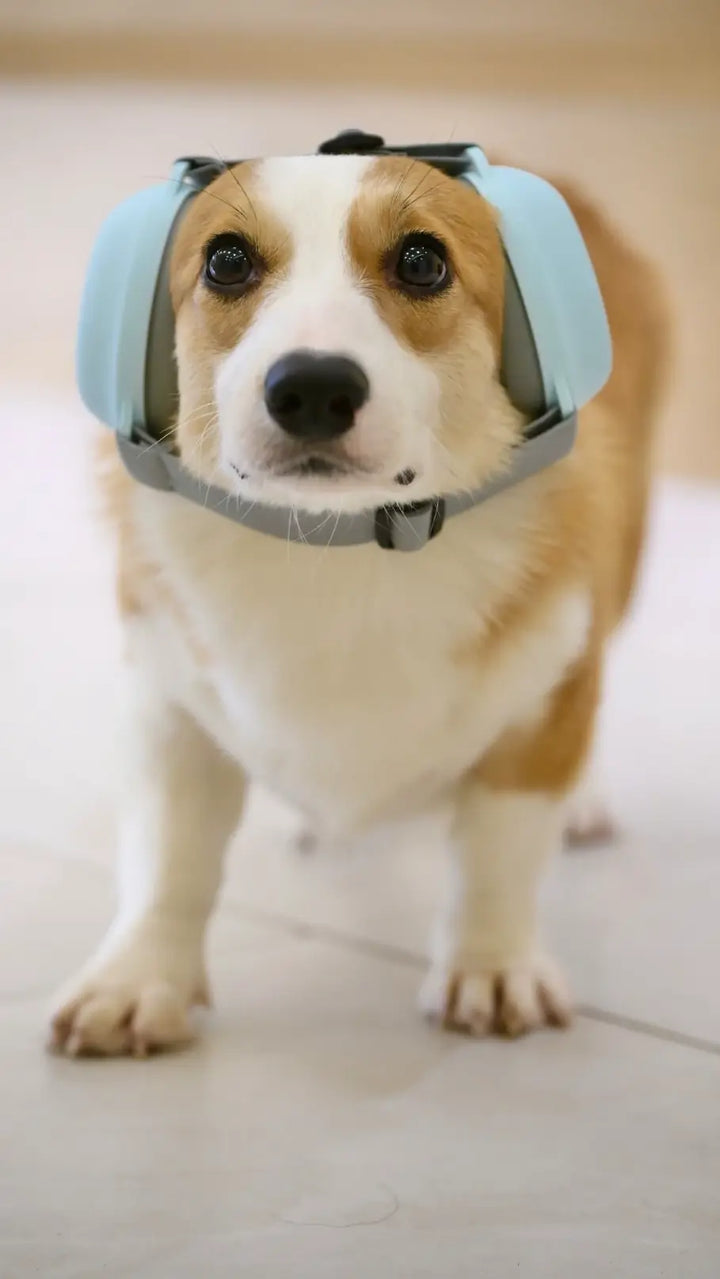
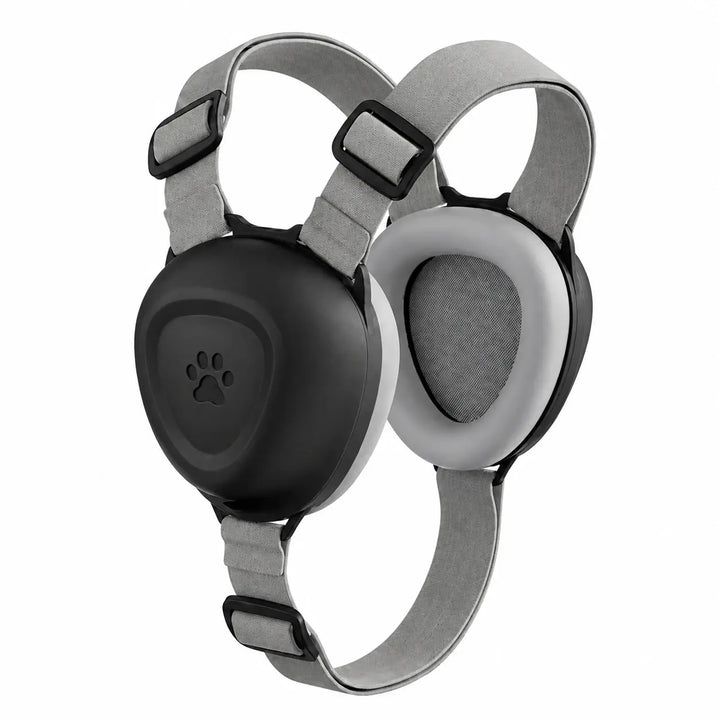
PAWSHHH is passive hearing protection for dogs, with a lab-rated SNR 29 dB* and a 3-point fit designed to help keep the cups in place. It is one layer in the plan, alongside the safe room, background sound, a calm person and your vet's advice. If you want to use it this New Year's Eve, start practicing now. Check the size guide and the fitting steps first.
Want to understand why fireworks are so hard on dogs? Read why fireworks hit dogs harder than us.
Not veterinary advice. Talk to your vet about severe anxiety.
*Manufacturer lab rating. Real-world reduction varies with fit, head shape and coat.