Travel3 min readNov 3, 2026
Road Trips and Flights With a Noise-Sensitive Dog
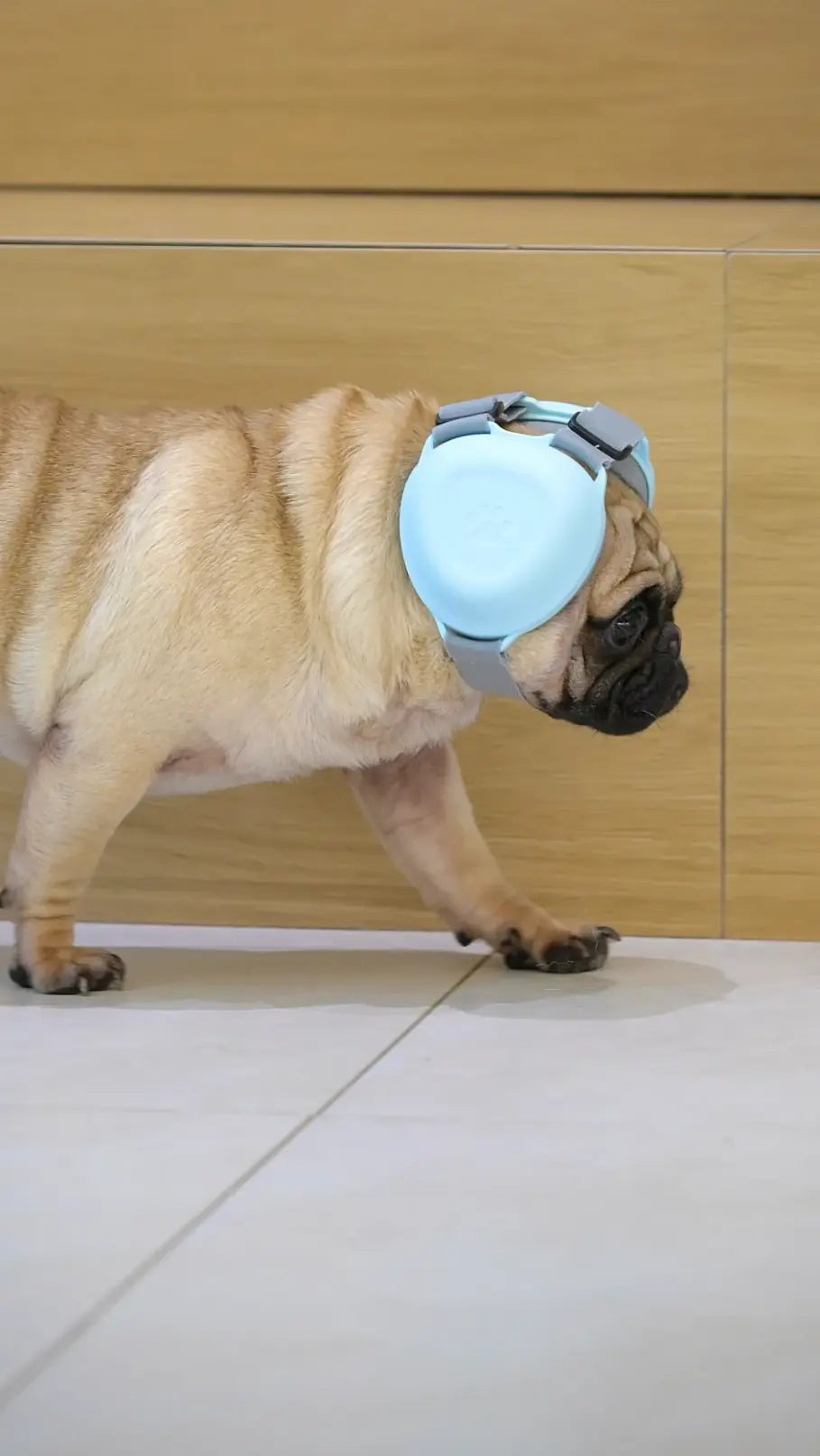
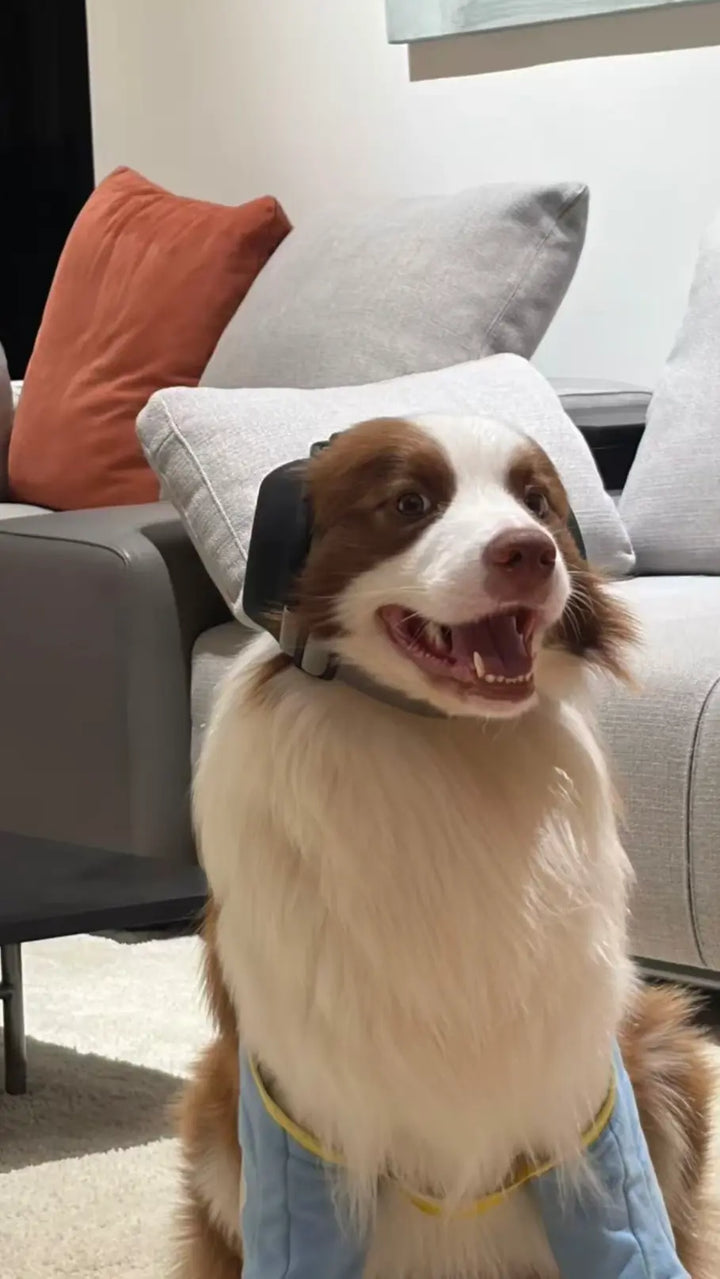
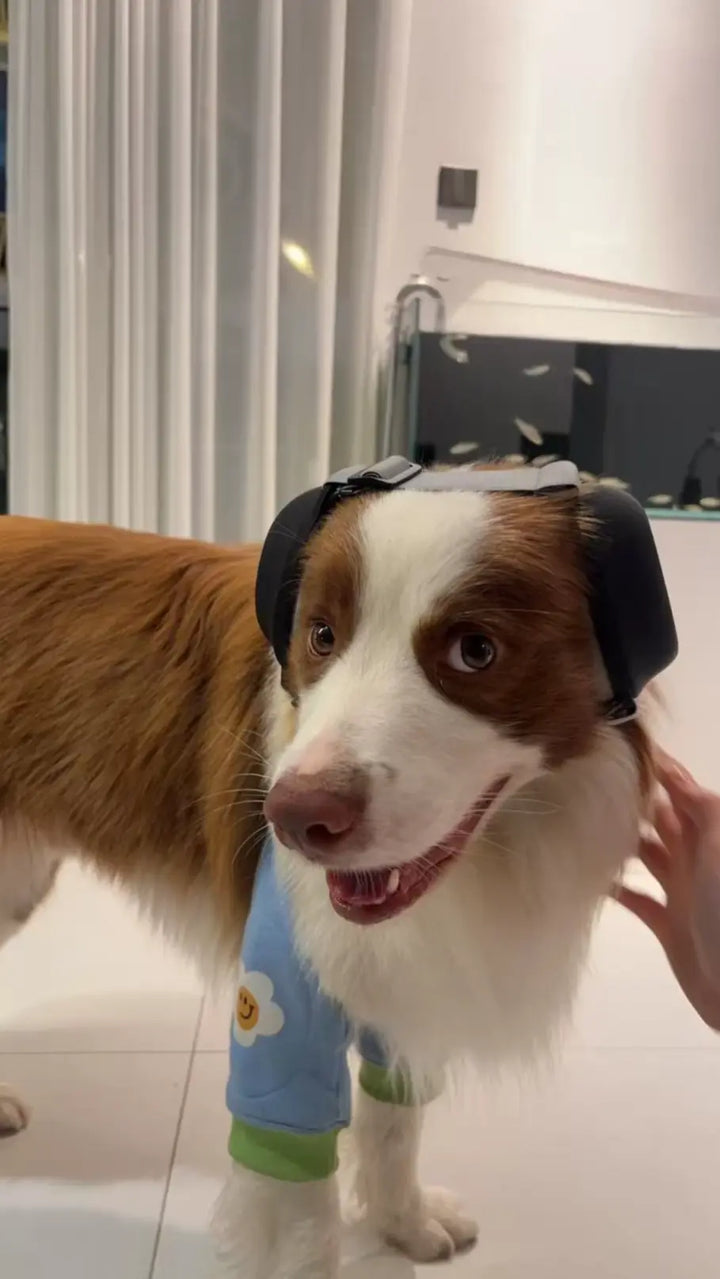
Traveling with a noise-sensitive dog goes best when you plan around the noise. Practice short trips first, pack familiar comforts, build in quiet breaks, check your airline's rules early, and use any ear protection only if your dog is already trained to wear it. Travel combines engine noise, traffic, crowds and announcements with unfamiliar places, so a little preparation makes a big difference for dogs who are sensitive to sound.
Why is travel hard for noise-sensitive dogs?
Noise sensitivity is common. It was the most common anxiety trait in a University of Helsinki study of about 13,700 pet dogs (Salonen et al., 2020). Travel stacks up a lot of sound at once: road and engine noise, horns, sirens, trucks passing, airport crowds, rolling luggage, and the hum of a plane cabin. Dogs also hear high-pitched sounds we can't (LSU), so a noisy environment can feel even busier to them. Add a new place, a new routine and less control, and it's easy to see why some dogs struggle.
How should I plan ahead?
- See your vet before a long trip, especially if your dog gets anxious or carsick. Ask about any travel paperwork you need.
- Practice short trips. Ten-minute drives that end somewhere fun build a positive link with the car.
- Train with gear early. If you'll use a travel crate, a car harness or ear protection, introduce it weeks ahead. Our training guide covers ear protection step by step.
- Plan quiet stops. Look for parks or calm spots along the route rather than busy service areas.
- Choose quiet accommodation. Ask for a room away from elevators, ice machines and busy roads.
What should I pack?
- food, water and bowls
- a familiar blanket or bed that smells like home
- long-lasting chews and favourite toys
- lead, harness and up-to-date ID tags
- poop bags, wipes and a towel
- any medication your vet has prescribed
- ear protection your dog already knows, adjusted to fit (see the size guide)
- your vet's number and a vet near your destination

How do I make car rides easier?
- Secure your dog in a crash-tested crate or with a car harness. It's safer, and many dogs feel calmer when contained.
- Keep windows mostly closed on highways to cut wind and road noise.
- Play calm audio at a low volume to mask sudden sounds.
- Drive smoothly and avoid rush hour where you can.
- Stop every couple of hours for water, a sniff and a bathroom break, somewhere quiet.
- Never leave your dog alone in the car.
If your dog is trained to wear ear protection, it can help on long stretches of loud highway. Supervise them while they wear it, take breaks, and remove it if they show discomfort.
What about airports and flights?
Rules differ widely between airlines and routes, so check them early and follow them exactly. That covers carriers, size limits, documents and whether ear protection is allowed for a pet in the cabin. Ask your vet before the trip about your dog's fitness to fly. Never sedate your dog for travel without your vet's specific advice.
At the airport, arrive early so you're not rushing, find a quieter corner to wait, and give your dog a chance to relieve themselves before check-in. In the cabin, a covered carrier, a familiar blanket and your calm voice help. Offer water when you can.
How do I help my dog settle at the destination?
- Set up their bed and blanket straight away, in a quiet corner.
- Keep feeding and walking times as close to normal as you can.
- Walk the area on lead first. New places have new noises.
- Check local events. Fireworks, festivals and sports games can catch you off guard.
- Give your dog a quiet day or two before big outings.
What if our trip overlaps with fireworks or a big event?
Holidays like July 4th and New Year's Eve are popular travel times, so it's worth checking your destination's event calendar before you book. Campgrounds, lakes, beaches and city centres can be much louder than home on those nights, and you may not know where the fireworks will be launched. If you can, choose accommodation away from event venues and waterfronts, and plan to be indoors with your dog before dark.
Bring your home routine with you: the same bed, the same chews, background sound from a phone or a small speaker, and ear protection if your dog is already used to it. Close windows and curtains, keep your dog on lead whenever you go outside, and double-check the door and gate latches at a rental. An unfamiliar yard is an easy place for a frightened dog to slip out.
When should I talk to my vet?
If your dog panics in the car, gets very carsick, or has severe noise anxiety in general, talk to your vet before you travel. They can help you plan, and in some cases suggest a different approach to the trip.
Where does PAWSHHH fit?
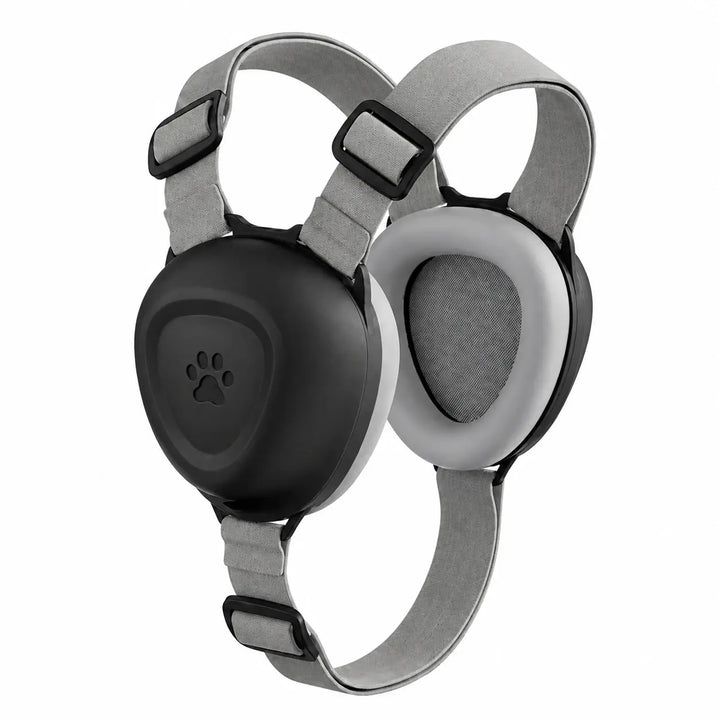
PAWSHHH is passive hearing protection with a lab-rated SNR 29 dB*, a 3-point fit designed to help keep the cups in place, and no batteries to charge on the road. Used with training, a calm routine and your vet's advice, it can be one layer that makes loud stretches of a trip easier. Before you go, follow the fitting steps and practice at home.
Not veterinary advice. Talk to your vet about severe anxiety.
*Manufacturer lab rating. Real-world reduction varies with fit, head shape and coat.